Trusted Dementia Care at Charlotte Ciscayne
Budget-Friendly Senior Care Services: Delivering Comfort and Safety at Home
Affordable elderly care solutions are vital in assisting the aging population. These options, such as at-home assistance and community services, enable seniors to remain independent while receiving required support. Families often encounter difficulties in choosing the appropriate type of care. Comprehending the different services available and their effects can significantly impact an elderly person's quality of life. Examining key factors in decision-making may reveal surprising findings. What considerations should families emphasize to ensure the best care?
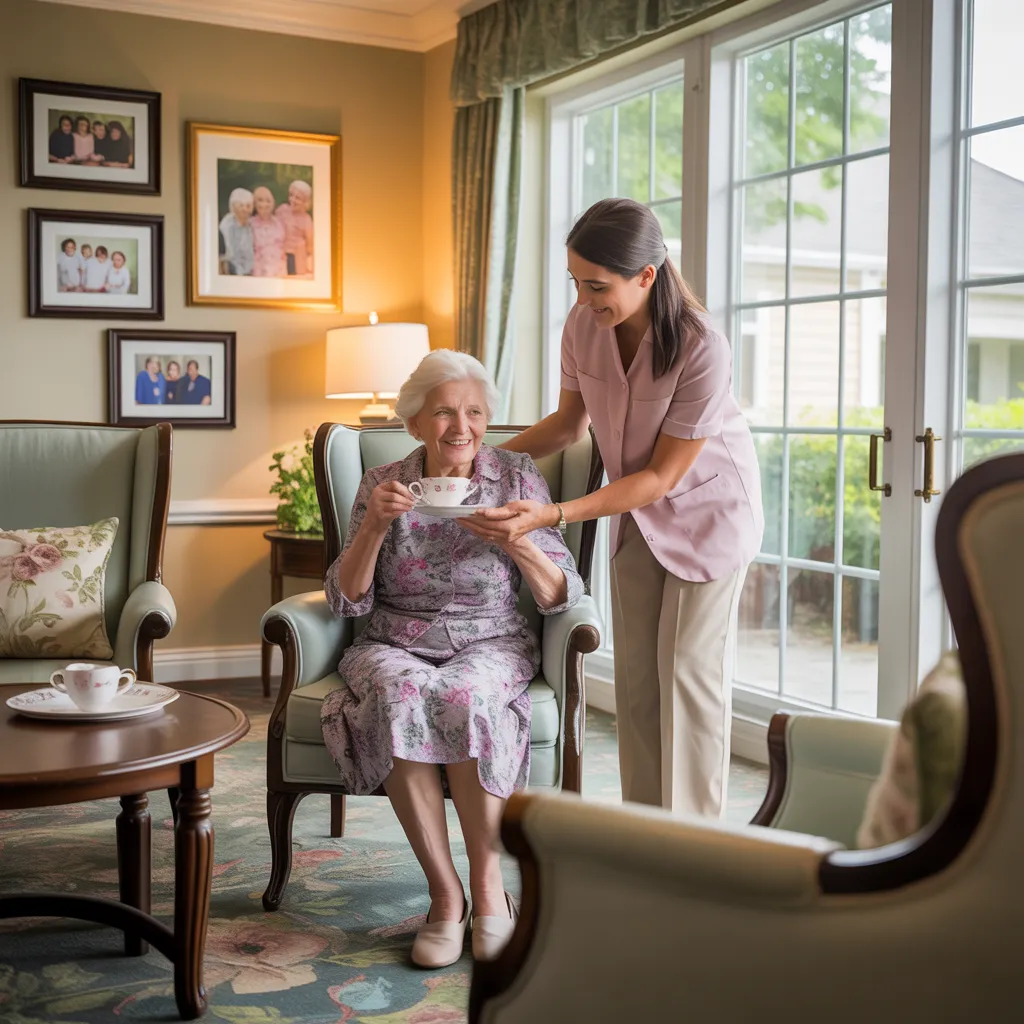
Multiple Budget Aging Support Services
Affordable elderly care services cover a wide range of choices tailored to fit the diverse needs of older adults. These offerings generally include in-home care, involving help with daily tasks such as bathing, preparing meals, and managing medications. Another alternative is adult day care, which provides a secure setting for seniors during the day, letting caregivers have respite while providing social interaction and activities for those attending. Moreover, community-based services, including transportation and meal delivery, increase seniors' independence by helping them stay connected to their communities. Respite care is also provided, offering family caregivers temporary relief while ensuring their loved ones receive essential support. Lastly, senior centers frequently provide programs that encourage health, wellness, and social involvement, fostering belonging. These diverse options enable families to select the most appropriate care solutions based on personal needs and financial circumstances.
What's the Right Way to Pick Between Home Care and Residential Care?
When determining the most appropriate care plan for an older loved one, how does one assess the benefits of home care versus assisted living? Home care lets seniors to continue living in a comfortable setting, encouraging both comfort and emotional health. Caregivers provide personalized assistance, ranging from companionship to medical support, tailored to individual needs. Often, this option supports independence, enabling seniors to continue their daily habits.
In contrast, senior living communities deliver wide-ranging services, including meals, group programs, and 24/7 care. This environment facilitates social interaction and engagement, which can be positive for mental health.
At the end of the day, the choice depends on the senior's wellness level, degree of self-reliance, and personal preferences. Families should evaluate the severity of care required, fiscal concerns, and the senior's desire for community versus home comfort. A thorough examination of these aspects will steer families to the most suitable solution for their loved one's care.
Vital Criteria for Appraising Quality in Senior Care Services
When evaluating elderly care providers, several key factors emerge as benchmarks of quality. Caregiver qualifications and training play an important role in delivering effective support, while robust safety protocols and procedures are vital for maintaining a secure environment. Additionally, personalized care plans can remarkably improve the well-being of seniors by fulfilling their distinct needs and wishes.
Caregiver Requirements And Education
Although the presence of compassionate caregivers is essential, their qualifications and training greatly impact the quality of elderly care provision. Caregivers should possess relevant certifications and educational backgrounds in fields such as nursing, geriatric care, or social work. Training programs that emphasize practical skills, communication, and empathy are essential for quality care delivery. Continuous career advancement guarantees that caregivers remain current on best practices and evolving needs of seniors. Background checks and references further enhance trustworthiness, providing reassurance to families. Ultimately, well-trained caregivers not only deliver necessary everyday assistance but also foster a soothing atmosphere, promoting both bodily and mental health. Evaluating these qualifications can significantly affect the total standard of care received by seniors at home.
Safety Guidelines And Procedures
How can households ensure their loved ones are protected while undergoing elderly care? Implementing robust safety measures and guidelines is crucial. This encompasses frequent safety evaluations of the home environment, verifying it is devoid of risks like disorganization or inadequate lighting. Care providers should have established procedures for emergencies, including clear communication channels and readily available emergency contacts. Regular training programs for care staff on safety practices enhance their preparedness. Additionally, households should confirm that senior care services adhere to local regulations and standards, which often include safety guidelines. Monitoring the implementation of these protocols helps families determine that their loved ones obtain assistance in a safe and secure setting, ultimately promoting their well-being and peace of mind.
Individual Care Strategies
Customized care plans play a vital role in guaranteeing that senior care services fulfill the individual needs of each person. These plans are adapted to encompass various aspects of a senior's life, including medical, psychological, and social needs. Assessment commences with a detailed evaluation by healthcare professionals, who assess medical history, current health status, and personal preferences. Effective communication among caregivers, family members, and the senior is essential for forming a plan that promotes independence and enhances quality of life. Regular reviews and adjustments to the care plan verify that it remains relevant as circumstances shift. This proactive approach not only in-depth guide supports physical health but also fosters emotional well-being, ultimately resulting in a more fulfilling and dignified life at home.
What are the Methods to Get Financial Support for Caring for Seniors?
To obtain financial aid for senior care, grasping the range of resources accessible to families is critical. Government aid programs, nonprofit entities, and coverage options can substantially reduce the economic burden. Examining these avenues is important for securing access to quality care economically.
Public Welfare Initiatives
Many families face the formidable obstacle of funding senior care, regularly accessing government assistance programs for aid. They offer vital financial assistance to help pay for in-home care, adult day care, and nursing facility costs. Assistance programs like Medicaid, Medicare, and Veterans Administration benefits offer a range of support depending on eligibility standards. Families are able to apply through local and state offices, making sure to compile necessary paperwork like income and asset statements. Understanding each program’s requirements is essential; some may cover specific services while others have income limits. Collaborating with a financial advisor or senior care navigator can guide families through this intricate process, ensuring they maximize resources for their loved ones’ care.
Nonprofit Resources Offered
While addressing the difficulties of elderly care expenses, families often disregard important charitable networks that can supply considerable financial support. Numerous organizations dedicate themselves to helping seniors and their families, delivering grants, scholarships, and services adapted for unique circumstances. Local nonprofits may grant financial resources for house renovations, transportation, or at-home caregiving help, easing economic strain. Additionally, national organizations like the Area Agencies on Aging can unite households with regional support systems, securing availability to essential support. Collaborating with these nonprofits not only strengthens care options but also opens doors to neighborhood initiatives created to boost seniors' quality of life. Families are encouraged to research and reach out, as these resources can markedly reduce the economic burden associated with senior care.
Insurance Choices Explained
Navigating the terrain of senior care financing often directs households to assess multiple coverage choices that can provide essential monetary assistance. Long-term care insurance is a primary choice, encompassing services like home-based assistance and assisted living. Families may also research Medicare, which supplies restricted coverage for skilled nursing and home health services, but usually does not cover long-term care. Medicaid, on the other hand, can be an important resource for economically disadvantaged seniors, delivering comprehensive assistance for those who qualify. Additionally, some life insurance policies may offer lifetime benefits or expedited payout options for extended care costs. Understanding these options enables households to make educated choices, ensuring that their loved ones receive the necessary care without undue financial strain.
Tips for Tapping Into Community Resources for Lower-Cost Senior Care
Many local support options exist to assist families access cost-effective senior care options. Local government programs often provide aid through discounted programs, such as meal delivery and transit services. Area Agencies on Aging function as important resource centers, connecting families with accessible services and support services tailored to seniors' needs.
Nonprofit entities often offer programs that can reduce the financial burden of medical care, such as volunteer-based support and property maintenance aid. Furthermore, faith-based groups may offer services or funding to help seniors remain in their homes.
Families can also explore senior centers that often host activities, workshops, and resources for caregivers, improving social support. Networking with other families through community forums can uncover undiscovered resources and shared experiences. By leveraging these community assets, families can greatly lower the costs linked to senior care while ensuring their loved ones get the support they need.
Creating a Seamless Shift for Your Aging Loved One
Utilizing local support services can greatly ease the process of adapting to new care plans for aging loved ones. Local organizations often provide support services such as transportation, meal delivery, and social activities, which can enhance the quality of life. Establishing a routine is crucial; routine comfort can help reduce anxiety during this change.
Participating the aging individual in decisions about their care produces a sense of autonomy and respect. Fostering open communication about their wants and requirements can also facilitate a easier adjustment.
Additionally, creating a comfortable and recognizable atmosphere at home, enriched with sentimental items and family photos, can provide emotional assistance. Regular visits from family and friends can further strengthen their spirits, rendering the transition feel less lonely. Through leveraging these approaches, households can support their family members in handling this major life transition with heightened confidence and comfort.
Frequently Requested Questions
What Requirements Should Care Providers Possess for Elderly Care Services?
Caregivers for senior care programs should have relevant certifications, experience in elderly care, strong communication skills, compassion, and the ability to complete duties such as medication management, personal hygiene assistance, and movement assistance for clients.
How Should Families Check the Quality of Service Being Delivered at Home?
Families are able to evaluate care quality by remaining connected with caregivers, making home visits, observing how they interact, and keeping detailed records of support offered. Comments from seniors can also deliver useful insights into their happiness and overall condition.
What Are the Symptoms That an Elderly Person Needs Extra Care?
Signs that a elderly person needs more care include increased forgetfulness, trouble performing everyday tasks, noticeable weight loss, recurrent stumbling, pulling away from social engagements, and changes in mood or behavior, indicating a deterioration in their overall well-being.
Can Technology Offer Support in Senior Care at Home?
Technology can notably enhance in elderly domiciliary care by furnishing off-site observation, treatment alerts, and emergency response systems. Such tools reinforce safety, support independence, and assist care providers offer swift assistance when required.
Which Official Documents Do Families Need to Create for Aging Parent Planning?
Families ought to establish vital legal documents such as durable power of attorney, healthcare proxy, living wills, and guardianship papers. These documents guarantee sound decision-making and safeguard seniors' preferences and rights in healthcare management.